Best Practices for U.S. Companies
As remote work becomes the new normal for global businesses, companies are increasingly looking beyond their borders to build high-performing distributed teams. Mexico, with its skilled workforce, cultural compatibility, and proximity to the United States, presents a unique and compelling opportunity for building successful remote operations.
In this guide, I’ll share the essential strategies U.S. companies should consider when assembling and managing remote teams in Mexico.
Why Mexico?
The advantages are clear. Mexico offers a large pool of talented professionals across technology, business services, finance, healthcare, and engineering sectors.
Its close time zone alignment with the U.S. simplifies real-time collaboration, while a growing number of bilingual professionals ensure smooth communication across borders. Moreover, Mexico’s remote workforce is familiar with both Latin American and North American business practices — making them uniquely adaptable to hybrid or fully remote international teams.
Best Practices for Building Remote Teams in Mexico
1. Hire for Both Skills and Cultural Fit
Technical skills are critical, but so is cultural alignment. Mexican professionals highly value personal relationships, collaboration, and a respectful work environment. When hiring, it’s important to prioritize candidates who not only meet the job’s technical requirements but also demonstrate strong interpersonal skills and the ability to thrive in a team-oriented culture.
2. Establish Clear Communication Protocols
Communication styles in Mexico can be more indirect than what U.S. companies are accustomed to.
To avoid misunderstandings, set clear expectations around reporting, feedback, and deadlines. Encourage open dialogue and create an environment where team members feel comfortable raising concerns or asking for clarification.
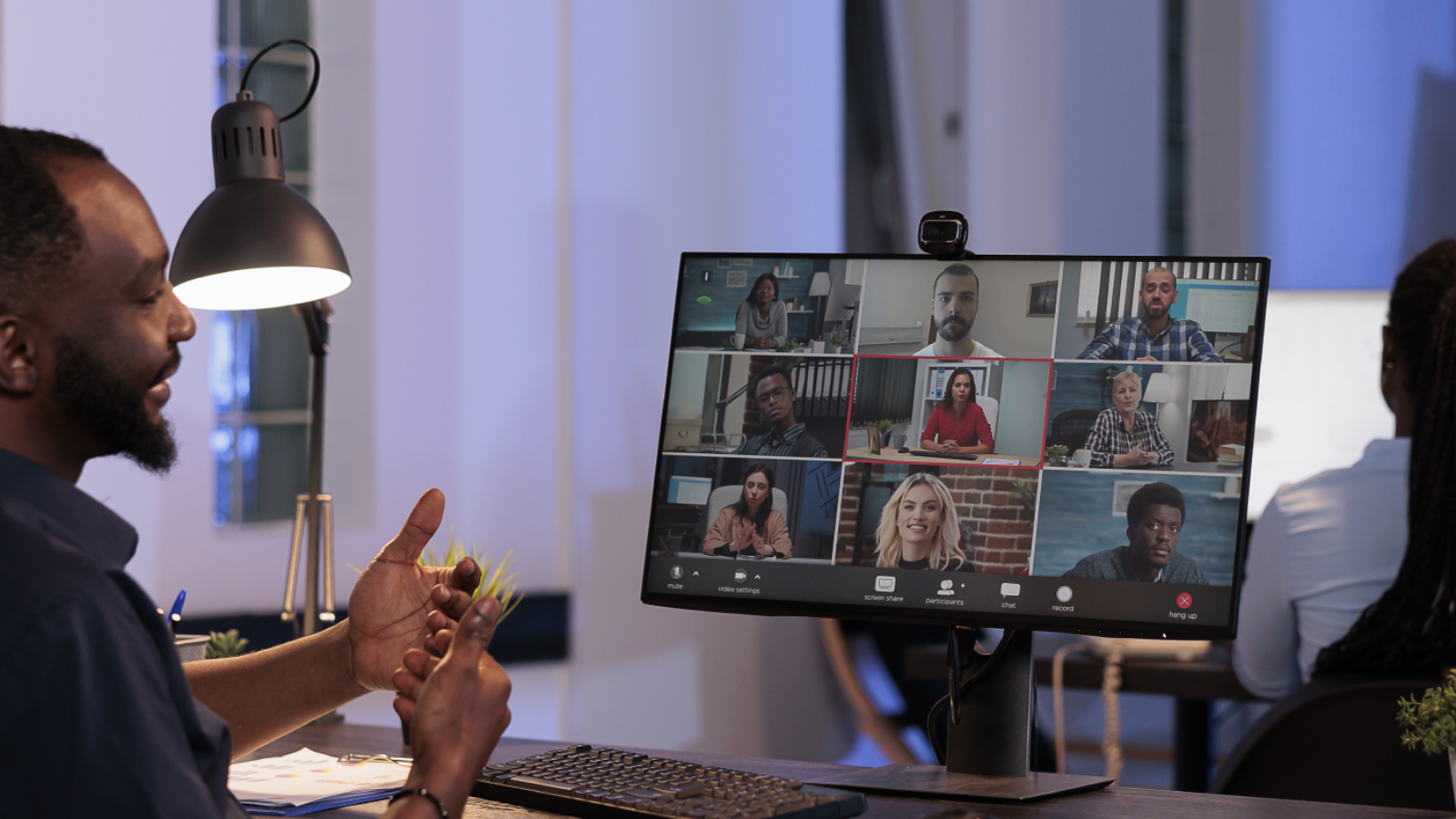
Tools like Slack, Microsoft Teams, and regular video meetings can foster transparency and strengthen team cohesion across borders.
3. Understand Local Labor Laws and Benefits
Even when teams are remote, employers must comply with Mexican labor laws if the worker is based in Mexico.
This includes providing mandatory benefits such as paid holidays, Christmas bonus (aguinaldo), profit-sharing, and access to social security programs.
Working with an experienced recruitment partner or an Employer of Record (EOR) service can simplify these obligations and ensure full compliance.
4. Be Mindful of Work-Life Balance
While Mexican employees are known for their dedication and strong work ethic, family remains a central value.
Recognizing and respecting family commitments — by offering flexible schedules or family friendly policies — will not only help retain talent but also build loyalty and long-term engagement.
A balanced approach to remote work, including respecting after-hours boundaries, is key to maintaining high levels of motivation and productivity.
5. Invest in Career Growth and Development
Professional development is highly valued among Mexican professionals. Companies that offer continuous learning opportunities, certifications, and clear career progression paths are far more likely to attract and retain top talent. Remote teams thrive when employees feel they are growing — not just performing tasks at a distance.
Building a remote team in Mexico is not just a cost-saving strategy — it’s a gateway to a talented, motivated, and culturally compatible workforce.
By approaching the process thoughtfully, investing in communication, legal compliance, and professional development, U.S. companies can create remote teams that are not only productive but truly integrated into their broader organizational culture.
With the right local partner, tapping into Mexico’s rich talent pool can become a true competitive advantage.
Add a Comment